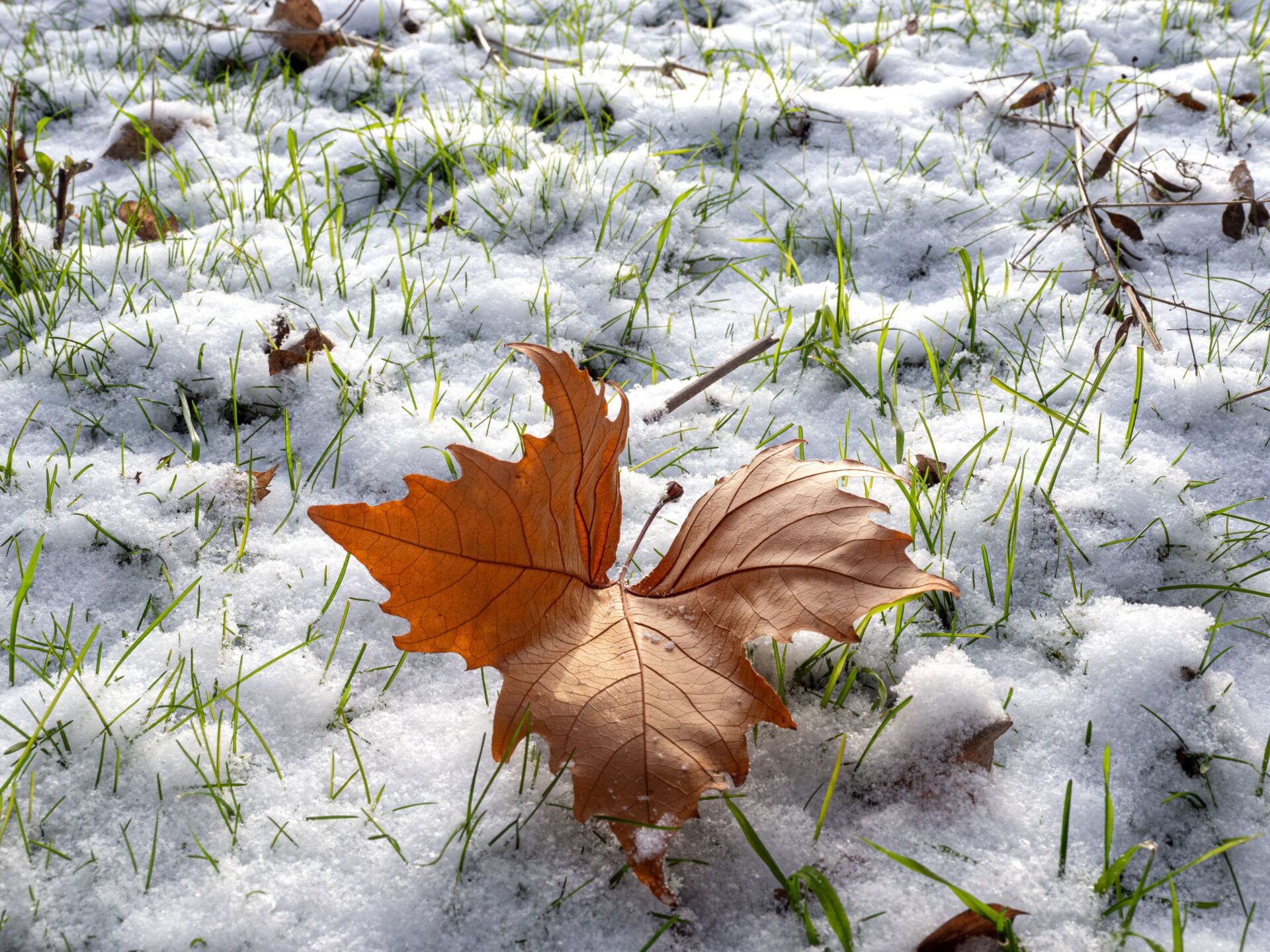
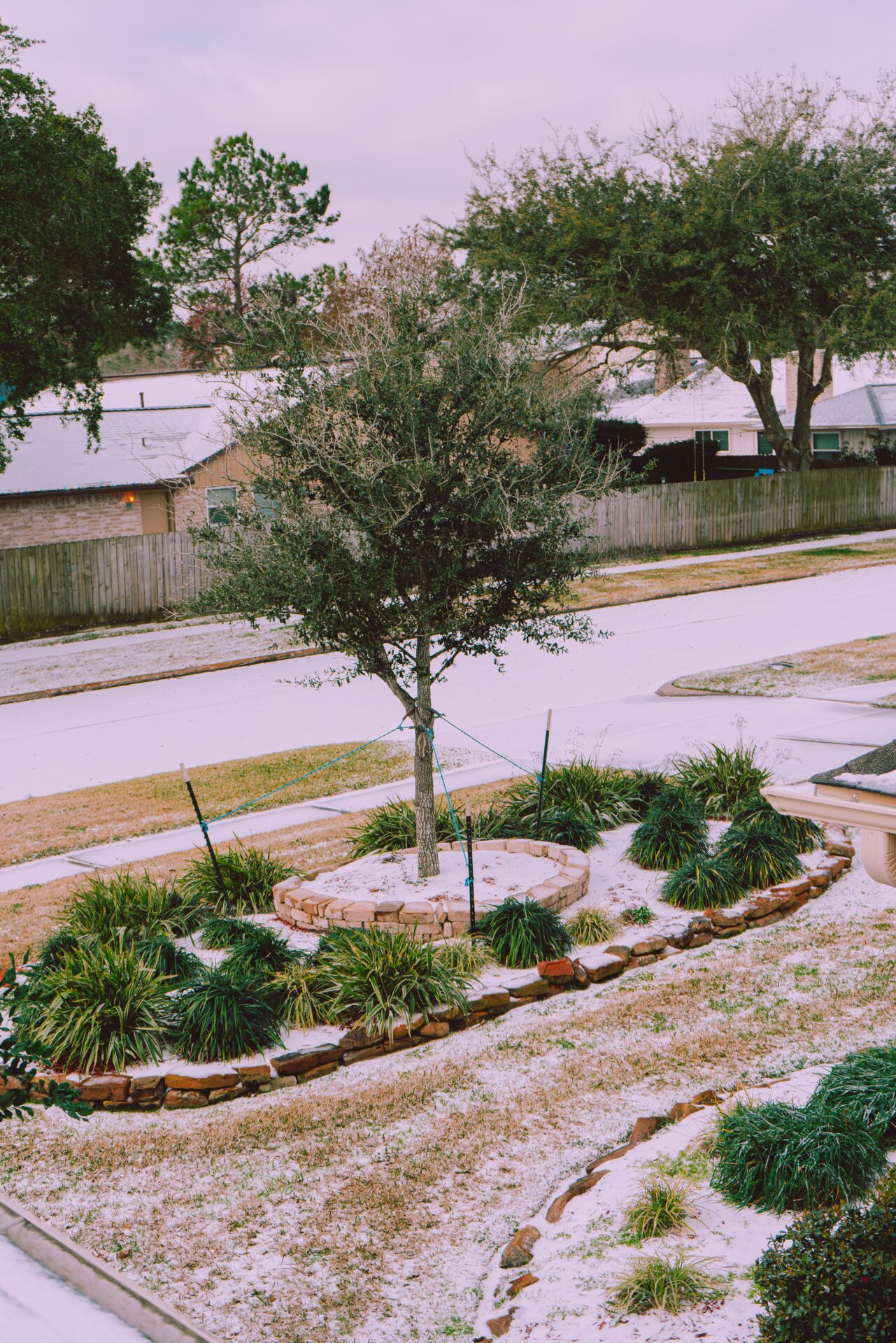
Your grass may stop growing, but protecting your landscape investment shouldn’t stop with it!
When cooler temperatures arrive in Coastal South Carolina, many homeowners assume their landscaping responsibilities are coming to an end. The grass grows more slowly, flowers begin fading, and trees shed their leaves. With less mowing required, it may seem like the perfect time to take a break from landscape maintenance.
But here’s something many homeowners overlook: Winter is one of the most important times to protect the investment you’ve made in your property.
While your landscape may appear less active during the cooler months, there’s still plenty happening beneath the surface. Weeds continue growing, leaves accumulate, irrigation systems need adjustments, and plants can experience stress from changing temperatures.
Skipping maintenance during this period might seem like a way to save money, but neglecting your property can lead to larger cleanup projects, damaged plants, and additional expenses when spring arrives.
At Father Nature, we believe that maintaining a beautiful landscape isn’t just about how it looks today. It’s about protecting its health, appearance, and long-term value.
Let’s explore the hidden benefits of winter landscape maintenance and why consistent care can make a difference for Lowcountry homeowners.
🌿 1. Protecting Your Property’s Value and Curb Appeal
Your landscape is one of the first things people notice about your home.
Whether you’re welcoming guests, enjoying your property, or preparing to sell, a well-maintained exterior creates a positive first impression.
During spring and summer, green grass and colorful flowers naturally contribute to curb appeal.
But when winter arrives, other landscape features become much more noticeable.
Overgrown shrubs, neglected garden beds, fallen leaves, and messy walkways can quickly make an otherwise beautiful property appear uncared for.
Why winter curb appeal matters
A professionally maintained landscape helps your home look attractive throughout the year, not just during the growing season.
Even when your grass enters dormancy, elements such as evergreen shrubs, clean landscape edges, fresh mulch, and well-maintained hardscapes can preserve your property’s appearance.
Consistent maintenance helps:
- Keep garden beds neat and defined.
- Prevent excessive leaf and debris accumulation.
- Maintain the appearance of shrubs and ornamental plants.
- Highlight attractive landscape features.
- Preserve a clean, welcoming entrance to your home.
Landscaping is an investment
Thoughtfully designed landscaping can contribute to a property’s appeal and marketability.
However, that investment requires ongoing care.
Trees, shrubs, irrigation systems, and hardscape features all represent time and money invested in your outdoor space.
Allowing those features to deteriorate can reduce the benefits of that investment and create additional restoration expenses.
💡 Father Nature Tip: You don’t need a perfectly green lawn to have excellent winter curb appeal. Clean garden beds, healthy evergreen plants, and defined landscape edges can make your property look beautiful throughout the cooler months.
🍂 2. Preventing Expensive Spring Cleanup Projects
One of the biggest financial benefits of winter landscape maintenance is preventing small problems from becoming larger projects.
When homeowners stop maintaining their properties for several months, leaves, weeds, debris, and unwanted growth can accumulate.
By the time spring arrives, what could have been handled through routine maintenance may require more extensive cleanup.
What happens when winter maintenance is neglected?
Imagine a property that receives no landscape attention from November through February.
During those months:
- Leaves accumulate across the lawn and garden beds.
- Winter weeds establish themselves and spread.
- Shrubs may grow unevenly or become overgrown.
- Drainage openings can become blocked by debris.
- Mulch and pine straw may become displaced or thin.
- Small irrigation issues may go unnoticed.
When spring arrives, the homeowner may need to address several problems at once.
Instead of beginning the season with a clean, healthy landscape, they may face a substantial restoration project.
How regular maintenance helps control costs
Routine maintenance allows these issues to be addressed gradually.
For example, removing leaves regularly is generally more manageable than collecting months of accumulated debris.
Likewise, controlling weeds before they spread can reduce the amount of corrective work needed later.
While year-round maintenance has an ongoing cost, it can help homeowners avoid some larger, unexpected cleanup expenses.
Preventative care is often more manageable than correcting months of neglect.
💡 Father Nature Tip: Think of winter landscape maintenance as preparation for spring. The more consistently your property is cared for now, the less catching up may be needed when warmer weather returns.
🌱 3. Helping Your Lawn Recover More Successfully in Spring
Many Lowcountry lawns consist of warm-season grasses such as St. Augustine, Centipede, Bermuda, and Zoysia.
As temperatures cool, these grasses slow their growth and may enter dormancy.
During this time, the lawn may turn yellow or brown, but that doesn’t necessarily mean it’s unhealthy.
Although dormant turf requires less mowing, it still benefits from proper seasonal care.
How winter neglect can affect your lawn
Several conditions can create problems for dormant grass.
Heavy leaf accumulation
Thick layers of leaves can block sunlight, trap moisture, and smother sections of turf.
Excessive irrigation
Continuing summer watering schedules during winter can leave soil overly saturated and contribute to root stress or fungal problems.
Winter weed growth
Cool-season weeds can establish themselves while warm-season grass is dormant, creating competition as the lawn begins growing again.
Poor drainage
Standing water and persistently wet soil can weaken turf and expose underlying drainage issues.
What does proper winter lawn care involve?
Winter lawn maintenance focuses on protecting existing turf rather than encouraging unnecessary growth.
This may include removing excessive debris, adjusting irrigation, monitoring drainage, and using appropriate weed management practices.
A lawn that is protected from avoidable stress during winter may be better positioned to resume healthy growth when temperatures rise.
However, winter care cannot correct every underlying issue. Soil conditions, shade, pests, and previous damage may still need to be addressed.
💡 Father Nature Tip: Don’t mistake natural dormancy for a dying lawn. Understanding your grass type and its seasonal needs can help prevent unnecessary treatments and expenses.
🌳 4. Protecting Trees, Shrubs, and Valuable Plants
Mature trees and established shrubs are some of the most valuable features of a residential landscape.
They provide shade, privacy, structure, and year-round visual interest.
Replacing a mature tree or large ornamental shrub can be expensive, and newly installed plants may take years to achieve the same appearance.
That’s why protecting existing plants is an important part of landscape maintenance.
What can happen when plants are neglected?
During cooler weather, plants may experience several challenges, including:
- Cold damage during unexpected freezes.
- Root stress caused by excessive moisture.
- Pest or disease problems.
- Damage from broken or hazardous branches.
- Competition from weeds.
- Poor soil conditions or inadequate mulch coverage.
Not every issue is immediately visible.
For example, a shrub experiencing root problems may not show significant symptoms until weeks or months later.
How winter maintenance helps
Regular landscape visits create opportunities to identify developing concerns.
A trained landscape professional may notice unusual leaf discoloration, damaged branches, drainage problems, or changes in plant health.
Addressing issues early can sometimes prevent more extensive damage.
Winter can also be a suitable time for certain pruning and planting activities, depending on the species.
However, improper pruning can remove flower buds or damage cold-sensitive plants, so timing matters.
Why prevention is important
Protecting an established plant is often less disruptive than removing and replacing it.
Maintaining healthy plants also helps preserve the original design and appearance of your landscape.
💡 Father Nature Tip: A healthy, established landscape is worth protecting. Regular observation and appropriate seasonal care can help extend the life of your trees, shrubs, and ornamental plants.
💧 5. Catching Irrigation and Drainage Problems Before They Get Worse
Your irrigation system may not need to run as frequently during winter, but that doesn’t mean it should be forgotten.
In fact, cooler weather provides an excellent opportunity to evaluate how your irrigation system is performing.
Why seasonal irrigation adjustments matter
During summer, plants generally use more water because of warmer temperatures and active growth.
As temperatures decrease, water requirements often decline.
If irrigation schedules aren’t adjusted, homeowners may be applying more water than their landscapes need.
This can contribute to:
- Higher utility bills.
- Standing water.
- Root stress.
- Fungal problems.
- Unnecessary water waste.
Small irrigation problems can become expensive
A leaking sprinkler head, damaged line, or malfunctioning valve may continue wasting water until someone identifies the problem.
Even minor issues can contribute to unhealthy soil conditions or unexpected utility expenses.
Regular monitoring helps identify these problems before they continue for extended periods.
Don’t overlook drainage
Winter rainfall can also reveal drainage issues that were less noticeable during dry periods.
Water collecting near foundations, pooling in garden beds, or remaining on lawns for extended periods may indicate a problem.
Leaves and debris can also block surface drains and drainage channels.
Keeping these areas clear helps water move through the property as intended.
💡 Father Nature Tip: If you notice unusually wet areas, standing water, or an unexpected increase in your water bill, consider having your irrigation and drainage systems evaluated before the problem becomes more serious.
🌿 6. Staying Ahead of Winter Weeds
One of the most overlooked aspects of winter landscaping is weed management.
Many homeowners assume weeds stop growing when temperatures drop.
Unfortunately, several weed species thrive during cooler weather.
In Coastal South Carolina, winter annual weeds may begin germinating during fall and continue developing throughout winter.
Common examples include Annual Bluegrass, Chickweed, Henbit, and Hairy Bittercress.
Why winter weeds matter
As warm-season grasses become dormant, winter weeds may have less competition.
They can establish themselves in thin lawn areas, garden beds, and exposed soil.
Some produce seeds before warmer weather arrives, contributing to future weed problems.
How consistent maintenance helps
A seasonal weed management program may include appropriately timed pre-emergent treatments, targeted control of existing weeds, and regular garden bed maintenance.
Pre-emergent herbicides help prevent certain weeds from establishing, but they must be applied before the targeted weeds emerge.
Once weeds are established, different control methods may be necessary.
Maintaining healthy turf during the growing season also helps reduce opportunities for weeds to establish later.
The long-term benefit
Preventing weeds from spreading can reduce future maintenance demands and help keep your landscape looking more consistent.
💡 Father Nature Tip: Winter weed prevention begins before many weeds become visible. Planning ahead is often more effective than waiting until your lawn is covered in unwanted growth.
🏡 7. Keeping Your Outdoor Spaces Safe and Functional
Landscape maintenance isn’t only about grass, trees, and flowers.
Your outdoor spaces also include walkways, patios, driveways, drainage features, and gathering areas.
These features require attention throughout the year.
Fallen leaves can create slippery surfaces
Wet leaves can become slippery on paver walkways, steps, and patios.
Regular debris removal helps maintain safer access around your property.
Overgrown plants can obstruct walkways
Shrubs and branches extending into paths can make outdoor spaces less convenient to use.
Appropriate trimming helps maintain clear access.
Drainage problems can affect hardscapes
Water collecting around patios, walkways, or driveways can reveal drainage concerns that should be investigated.
Addressing these issues early may help prevent additional problems.
Outdoor lighting becomes more important
As daylight hours shorten, landscape lighting can improve visibility around walkways, steps, and entrances.
It can also highlight attractive landscape features and extend the time you can comfortably enjoy your outdoor spaces.
A well-maintained landscape should be beautiful, functional, and enjoyable throughout the year.
🍁 8. Maintaining a Beautiful Property Even When Your Grass Is Brown
One of the hidden benefits of winter landscape maintenance is preserving curb appeal when many plants are no longer actively growing.
A beautiful landscape doesn’t have to depend entirely on green grass and colorful summer flowers.
Thoughtful maintenance and design can create year-round interest.
Fresh mulch and pine straw
Refreshing garden beds creates contrast against dormant grass while helping protect soil around plants.
Dark brown mulch and pine straw can give your property a clean, polished appearance.
Evergreen plants
Evergreen shrubs and trees maintain foliage throughout the year.
Popular options for suitable Lowcountry properties include Dwarf Yaupon Holly, Camellias, Distylium, and Southern Magnolia.
Clean landscape edges
Defined garden beds and neatly maintained borders create visual structure.
These details become especially noticeable when surrounding grass loses its vibrant color.
Attractive hardscapes
Paver patios, walkways, decorative stone, and seating walls provide permanent visual interest.
Unlike seasonal plantings, hardscape features remain attractive throughout the year with proper care.
Seasonal flowers
Certain cool-season plants, including pansies, violas, and appropriately selected camellias, can add color when many summer flowers have faded.
💡 Father Nature Tip: Winter is a great opportunity to evaluate your landscape’s design. If your property looks empty when the grass turns brown, adding evergreen plants or permanent landscape features may improve its appearance throughout the year.
🌸 9. Getting Ahead of the Busy Spring Season
Spring is one of the busiest times of year for landscaping.
As temperatures warm, homeowners begin thinking about lawn care, planting, irrigation repairs, and outdoor improvement projects.
Unfortunately, waiting until spring to address every landscape need can create scheduling challenges and a longer list of work.
Why planning during winter makes sense
Winter provides an opportunity to evaluate your property’s condition and identify improvements before the growing season begins.
You might discover that:
- Certain shrubs need replacing.
- Garden beds would benefit from fresh mulch.
- Irrigation coverage needs improvement.
- Drainage issues should be corrected.
- New plants could improve privacy or curb appeal.
- A patio or walkway would make your outdoor space more functional.
Planning ahead allows time to evaluate options, prepare designs, obtain necessary approvals, and coordinate installation.
Winter can be a great time for planting
In Coastal South Carolina, fall and winter can be favorable seasons for installing many trees and shrubs.
Cooler temperatures generally reduce heat stress, while roots may continue growing when soil conditions are suitable.
This can give plants an opportunity to establish before the following summer.
The benefit of being prepared
Instead of spending the first weeks of spring catching up on neglected maintenance, you can focus on enjoying your outdoor space.
The work you do during winter can make the transition into spring smoother and more manageable.
💰 10. Understanding the Long-Term Value of Preventative Maintenance
When homeowners evaluate landscape maintenance costs, it’s natural to focus on the monthly expense.
However, it’s also important to consider the potential costs of neglected maintenance.
Routine maintenance vs. corrective work
Consider two different approaches.
Homeowner A: Stops maintenance during winter
Leaves accumulate, weeds spread, garden beds become messy, and irrigation problems go unnoticed.
When spring arrives, the property may require extensive cleanup, additional weed treatments, plant replacements, or repairs.
Homeowner B: Continues seasonal maintenance
Leaves are managed regularly, weeds are monitored, irrigation schedules are adjusted, and garden beds remain maintained.
When spring arrives, the property may require less corrective work because many issues were addressed along the way.
While every property is different and year-round maintenance doesn’t guarantee lower total costs, consistent care can help reduce the likelihood of larger unexpected projects.
Think beyond the immediate expense
Preventative maintenance can help protect:
- The health of established trees and shrubs.
- The condition of your lawn.
- The appearance of garden beds.
- The functionality of irrigation and drainage systems.
- The usability of patios and walkways.
- The overall presentation of your property.
Your landscape represents an ongoing investment, and maintaining it consistently helps preserve the benefits of that investment.
🌿 Winter Maintenance Isn’t About Doing More—It’s About Doing What’s Right for the Season
One of the most important things homeowners should understand is that landscape maintenance doesn’t look the same throughout the year.
During spring and summer, maintenance often focuses on mowing, trimming, active plant growth, and irrigation.
During fall and winter, priorities shift toward leaf removal, weed management, plant protection, garden bed care, and monitoring landscape conditions.
The amount and type of work may change, but the need for professional attention doesn’t disappear.
At Father Nature, our approach to year-round maintenance is based on the changing needs of your property.
Our goal isn’t simply to keep your lawn cut. It’s to help maintain the overall health, appearance, and functionality of your landscape throughout every season.
🍂 Protect Your Landscape Today and Enjoy It Tomorrow!
A beautiful landscape doesn’t happen by accident.
It’s the result of thoughtful planning, proper plant selection, and consistent maintenance throughout the year.
Although winter may seem like a quiet season for landscaping, it’s an important opportunity to protect your property, prevent unnecessary problems, and prepare for healthier growth when spring returns.
From preserving curb appeal and protecting established plants to reducing spring cleanup demands and identifying irrigation issues early, the benefits of winter landscape maintenance go far beyond appearance.
The best way to enjoy a beautiful landscape in spring is to take care of it throughout winter.
🌿 Let Father Nature Handle the Hard Work Year-Round!
At Father Nature, we understand that your landscape is more than just grass and plants. It’s an investment in your home, your outdoor living experience, and the enjoyment of your property.
Our year-round landscape maintenance services are designed to adapt to the changing seasons, helping homeowners keep their properties healthy, attractive, and well cared for.
Whether your property needs routine maintenance, seasonal cleanup, fresh mulch or pine straw, irrigation adjustments, or landscape improvements, our team is here to help.
We proudly serve Bluffton, Hilton Head Island, Beaufort, Okatie, and surrounding Lowcountry communities.
❄️ Don’t Put Your Landscape on Hold This Winter!
Protect your investment, stay ahead of seasonal maintenance, and prepare your property for a beautiful spring.
📞 Contact Father Nature today to learn more about our year-round landscape maintenance services or schedule a consultation!
Let us get our hands dirty so you can Enjoy Life Outdoors! 🌿