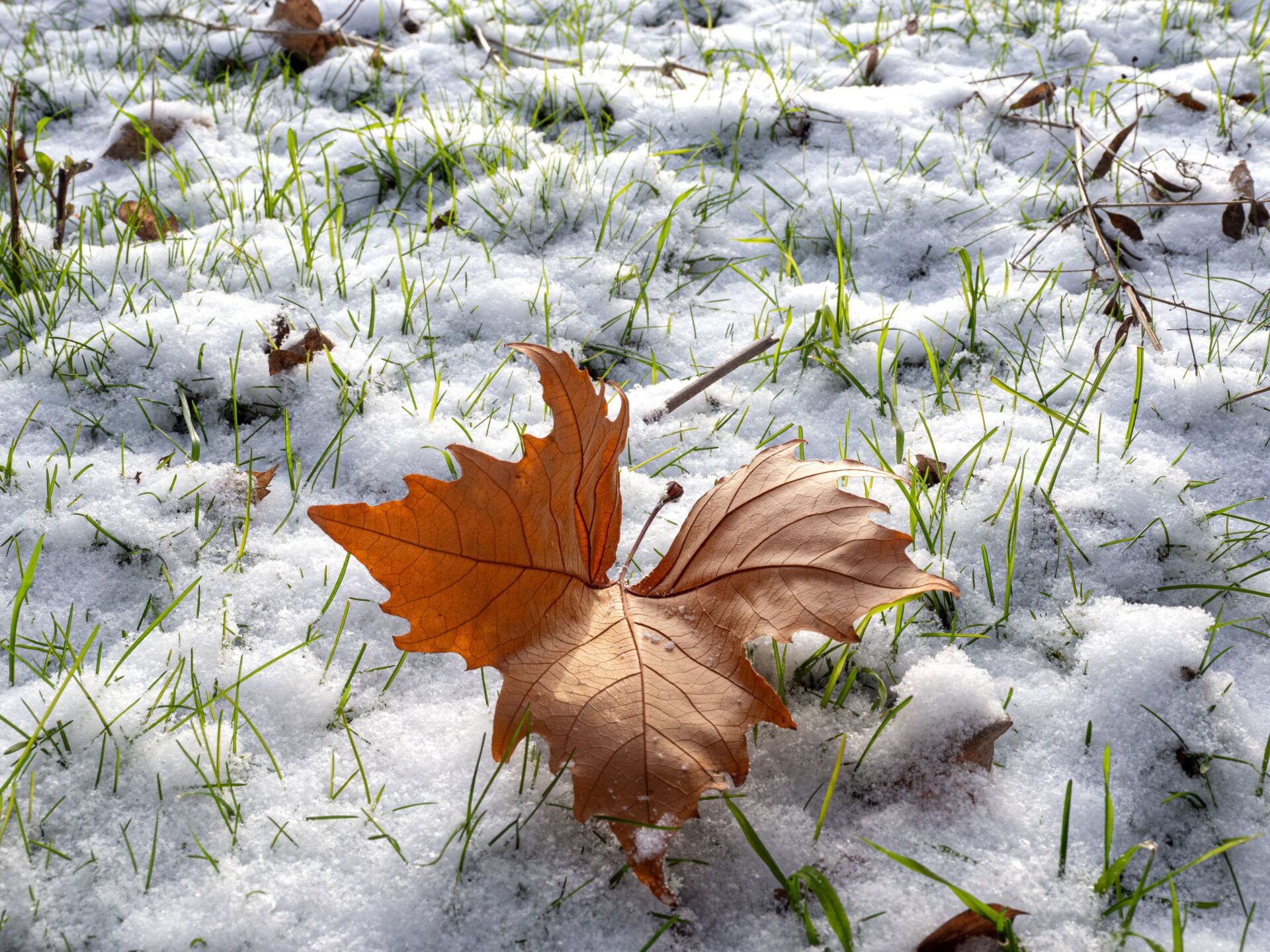
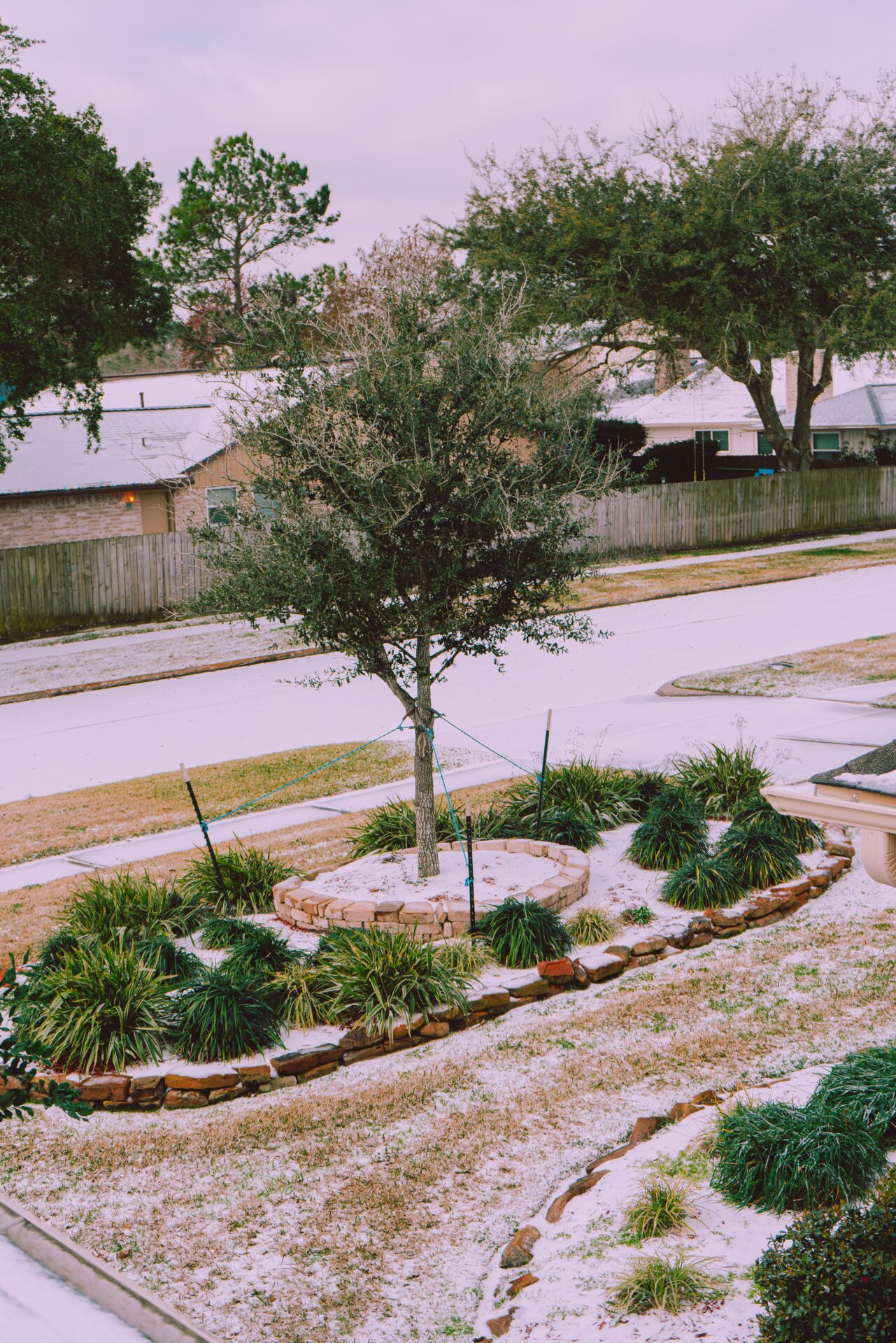
Your lawn may turn brown in winter, but your landscape doesn’t have to lose its color!
When cooler temperatures arrive in Coastal South Carolina, many homeowners notice their landscapes beginning to change. Warm-season grasses start turning brown, seasonal flowers fade, and some trees lose their leaves.
But what if your landscape could stay green, vibrant, and beautiful throughout the entire year?
That’s where evergreen plants come in!
Evergreens are one of the best ways to maintain curb appeal during the cooler months. Unlike deciduous plants that shed their leaves seasonally, evergreens retain foliage throughout the year, providing consistent color, texture, and structure.
For homeowners in Bluffton, Hilton Head Island, Beaufort, and the surrounding Lowcountry, choosing plants that can handle our hot summers, humid conditions, occasional cold snaps, and varying soil conditions is especially important.
At Father Nature, we believe that a well-designed landscape should look beautiful in every season.
Here are four evergreen plants worth considering for your Coastal South Carolina property!
🌳 1. Dwarf Yaupon Holly: Small Plant, Big Impact
If you’re looking for an attractive, low-maintenance evergreen that works beautifully in a variety of landscape designs, Dwarf Yaupon Holly is an excellent choice.
This compact variety of the native Yaupon Holly (Ilex vomitoria) is known for its small, dark green leaves and naturally rounded growth habit.
Unlike larger hollies, Dwarf Yaupon Holly typically stays relatively compact, making it ideal for areas where homeowners want greenery without large, overgrown shrubs.
Why homeowners love it
- Year-round greenery: Maintains attractive foliage through the cooler months.
- Low maintenance: Generally requires minimal pruning once established.
- Versatile design: Works well in foundation plantings, borders, and mass plantings.
- Adaptable: Tolerates a range of soil conditions once established.
- Native roots: The parent species is native to the southeastern United States.
Where does it look best?
Dwarf Yaupon Holly is especially attractive when planted along walkways, around patios, or in front of taller shrubs.
Its rounded shape can create a soft, organized appearance that complements both traditional and modern Lowcountry homes.
It also pairs beautifully with fresh dark brown mulch or pine straw, which helps its green foliage stand out.
💡 Father Nature Tip: Dwarf Yaupon Holly is an excellent option for homeowners who want a neat, structured landscape without constant trimming. However, allow enough room for its mature width so it doesn’t crowd walkways or nearby plants.
🌸 2. Camellias: Beautiful Blooms When Other Plants Are Resting
Who says winter landscapes can’t have beautiful flowers?
Camellias are among the most popular flowering evergreens in the South, and for good reason!
These gorgeous shrubs combine rich, glossy green leaves with stunning blooms that can brighten a landscape during fall, winter, or early spring.
Depending on the species and variety, camellias can produce flowers in shades of white, pink, red, and even variegated combinations.
Two popular types of camellias
Camellia sasanqua
Sasanqua camellias generally bloom during fall and early winter, making them a wonderful choice for adding color as temperatures begin to cool.
Many varieties have a more open growth habit and can tolerate more sunlight than Japanese camellias when properly established.
Camellia japonica
Japanese camellias are known for their larger, often dramatic flowers, with many varieties blooming from winter into early spring.
They generally perform best in locations with protection from intense afternoon sun.
Why camellias are a great choice
- Provide seasonal flowers when many other plants aren’t blooming.
- Maintain attractive evergreen foliage throughout the year.
- Offer a wide variety of flower colors and forms.
- Work beautifully as specimen plants, privacy screens, or foundation shrubs.
- Can provide nectar for pollinators during cooler periods when conditions allow.
What do camellias need?
Camellias generally prefer well-drained, slightly acidic soil with adequate organic matter.
Proper placement is important, especially when considering sunlight exposure and mature plant size.
They also benefit from consistent moisture while establishing, but poorly drained soil can create problems.
💡 Father Nature Tip: Want a landscape with flowers across several cooler months? Consider combining fall-blooming Sasanqua camellias with winter- or spring-blooming Japanese camellias.
With thoughtful plant selection, you can enjoy beautiful blooms long after many summer flowers have faded!
🌿 3. Distylium: A Modern, Low-Maintenance Evergreen
If you love the appearance of a neatly maintained landscape but don’t want to spend every weekend trimming shrubs, Distylium may be worth considering.
Distylium is an evergreen shrub that has gained popularity in Southern landscaping because of its attractive foliage, adaptable growth habits, and relatively low maintenance requirements.
Depending on the variety, Distylium can have dark green, blue-green, or bronze-tinted foliage.
Some varieties grow low and spreading, while others develop into larger, rounded shrubs.
This versatility makes Distylium useful for a wide range of landscape designs.
Why homeowners love Distylium
- Evergreen foliage: Provides year-round color and structure.
- Low maintenance: Many varieties maintain an attractive natural shape with limited pruning.
- Landscape versatility: Can be used for borders, foundation plantings, and mass plantings.
- Good adaptability: Established plants can tolerate periods of drought and heat.
- Interesting texture: Dense foliage creates a full, polished appearance.
Where does Distylium work best?
Distylium is particularly attractive in modern and contemporary landscape designs.
Its naturally tidy appearance works well along foundations, around patios, and in larger planting beds.
It can also be used to create a continuous green border that remains attractive when surrounding grass becomes dormant.
Is Distylium right for every property?
Not necessarily!
Although Distylium is adaptable, it still needs appropriate growing conditions. Well-drained soil is important, and the amount of sunlight required can vary depending on the cultivar.
Some varieties grow considerably larger than others, so choosing the correct one is essential.
💡 Father Nature Tip: Always consider the mature size of a shrub before planting. Selecting the right Distylium variety can reduce future pruning and prevent overcrowding around your home.
🌳 4. Southern Magnolia: A Timeless Lowcountry Classic
Few trees represent the beauty and character of the South quite like the Southern Magnolia.
Known scientifically as Magnolia grandiflora, this iconic native evergreen tree is admired for its large, glossy green leaves, beautiful white flowers, and impressive appearance.
Southern Magnolias are commonly found throughout Coastal South Carolina and can make stunning additions to properties with adequate growing space.
Unlike smaller shrubs, a Southern Magnolia can become a major landscape feature, creating shade, structure, and visual interest throughout the year.
Why Southern Magnolias stand out
- Year-round foliage: Large, glossy leaves maintain an attractive appearance through winter.
- Beautiful flowers: Fragrant white blooms typically appear during the warmer months.
- Classic Southern character: Complements traditional Lowcountry architecture and landscape designs.
- Shade and structure: Mature trees can provide significant shade and visual impact.
- Wildlife benefits: Native magnolias can provide cover and resources for birds and other wildlife.
Where should you plant one?
Southern Magnolias can become very large trees, so proper placement is essential.
They need enough room for their mature canopy and root system without interfering with buildings, walkways, utilities, or other landscape features.
For smaller properties, compact cultivars may be more appropriate than a full-sized Southern Magnolia.
Are Southern Magnolias maintenance-free?
No tree is completely maintenance-free!
Although Southern Magnolias retain their foliage throughout the year, they also shed older leaves periodically.
Their large, leathery leaves can accumulate beneath the canopy and may require occasional cleanup.
However, with proper placement and care, these trees can become beautiful long-term additions to a landscape.
💡 Father Nature Tip: Before planting a Southern Magnolia, think about what the tree will look like in 10, 20, or even 30 years. Choosing the right location from the beginning helps prevent costly problems later.
🏡 How to Combine Evergreens for a Beautiful Year-Round Landscape
Choosing the right plants is only part of creating a beautiful landscape. How you arrange them matters just as much!
A thoughtfully designed landscape uses plants of different heights, shapes, colors, and textures to create balance.
For example, imagine a front yard featuring:
- A Southern Magnolia as a striking focal point.
- Camellias providing colorful seasonal flowers near the home’s entrance.
- Distylium creating full, attractive foundation plantings.
- Dwarf Yaupon Holly defining garden borders and walkways.
- Fresh dark brown mulch or pine straw tying the entire design together.
Even when the surrounding lawn turns brown during winter, these plants continue providing visual interest and structure.
Think beyond just green!
Evergreen doesn’t have to mean every plant looks the same.
Combining glossy leaves, small textured foliage, flowering shrubs, and different growth habits creates a more interesting landscape.
You can also incorporate decorative stone, paver walkways, landscape lighting, and seasonal flowers to complement your evergreen plantings.
The goal is to create an outdoor space that feels attractive and intentional throughout every season.
☀️ Choosing the Right Evergreens for Your Lowcountry Property
While all four of these plants can be excellent additions to Coastal South Carolina landscapes, not every plant is suitable for every location.
Before installing new landscaping, consider several important factors.
Sunlight exposure
Some plants perform best in full sun, while others prefer partial shade or protection from intense afternoon sunlight.
Choosing plants suited to the available sunlight helps promote healthy growth and reduces unnecessary stress.
Soil and drainage
Lowcountry properties can have very different soil conditions.
Some areas have sandy, fast-draining soil, while others experience compacted soil or frequent standing water.
Understanding drainage conditions before planting is important for long-term plant health.
Salt exposure
Properties near the coast may experience salt spray and other challenging growing conditions.
Not every evergreen tolerates these conditions equally, so plant selection should account for how exposed your property is.
Mature plant size
A shrub that looks small at the garden center may eventually grow several feet tall and wide.
Proper spacing helps prevent overcrowding, reduces future pruning requirements, and allows each plant to develop naturally.
Maintenance preferences
If your goal is a low-maintenance landscape, selecting plants with suitable growth habits is essential.
A beautiful landscape shouldn’t require constant trimming simply because the plants were installed in the wrong locations.
The right plant in the right place is one of the most important principles of successful landscape design.
🍂 Why Fall and Winter Can Be Great Times to Plant Evergreens
In Coastal South Carolina, fall and winter can be excellent seasons for installing many trees and shrubs.
Cooler temperatures generally reduce heat stress, while the soil may remain warm enough for root development.
This gives newly installed plants an opportunity to establish roots before the intense heat of summer returns.
However, new plants still require appropriate watering and care, even during cooler weather.
Occasional freezing temperatures can also affect sensitive or newly installed plants, making proper selection and installation important.
Planning your landscape during the cooler months can help you prepare for a healthier, more established landscape when spring arrives.
🌿 Create a Landscape That Looks Beautiful in Every Season With Father Nature!
Your landscape doesn’t have to lose its beauty just because temperatures begin to drop.
With the right combination of evergreen plants, seasonal flowers, thoughtful design, and ongoing maintenance, your property can remain attractive throughout the year.
Whether you’re interested in the compact beauty of Dwarf Yaupon Holly, the colorful blooms of Camellias, the versatility of Distylium, or the timeless appeal of Southern Magnolias, choosing the right plants can make a lasting difference.
At Father Nature, we help homeowners throughout Bluffton, Hilton Head Island, Beaufort, Okatie, and surrounding Lowcountry communities create outdoor spaces that are both beautiful and functional.
From plant selection and landscape design to professional installation, mulch, pine straw, and ongoing maintenance, our team is here to help bring your vision to life.
🌳 Ready to Add Year-Round Beauty to Your Landscape?
Don’t wait until spring to start planning your next landscape improvement!
📞 Contact Father Nature today to schedule a landscape consultation and discover which evergreen plants are right for your property.
Let us get our hands dirty so you can Enjoy Life Outdoors! 🌿