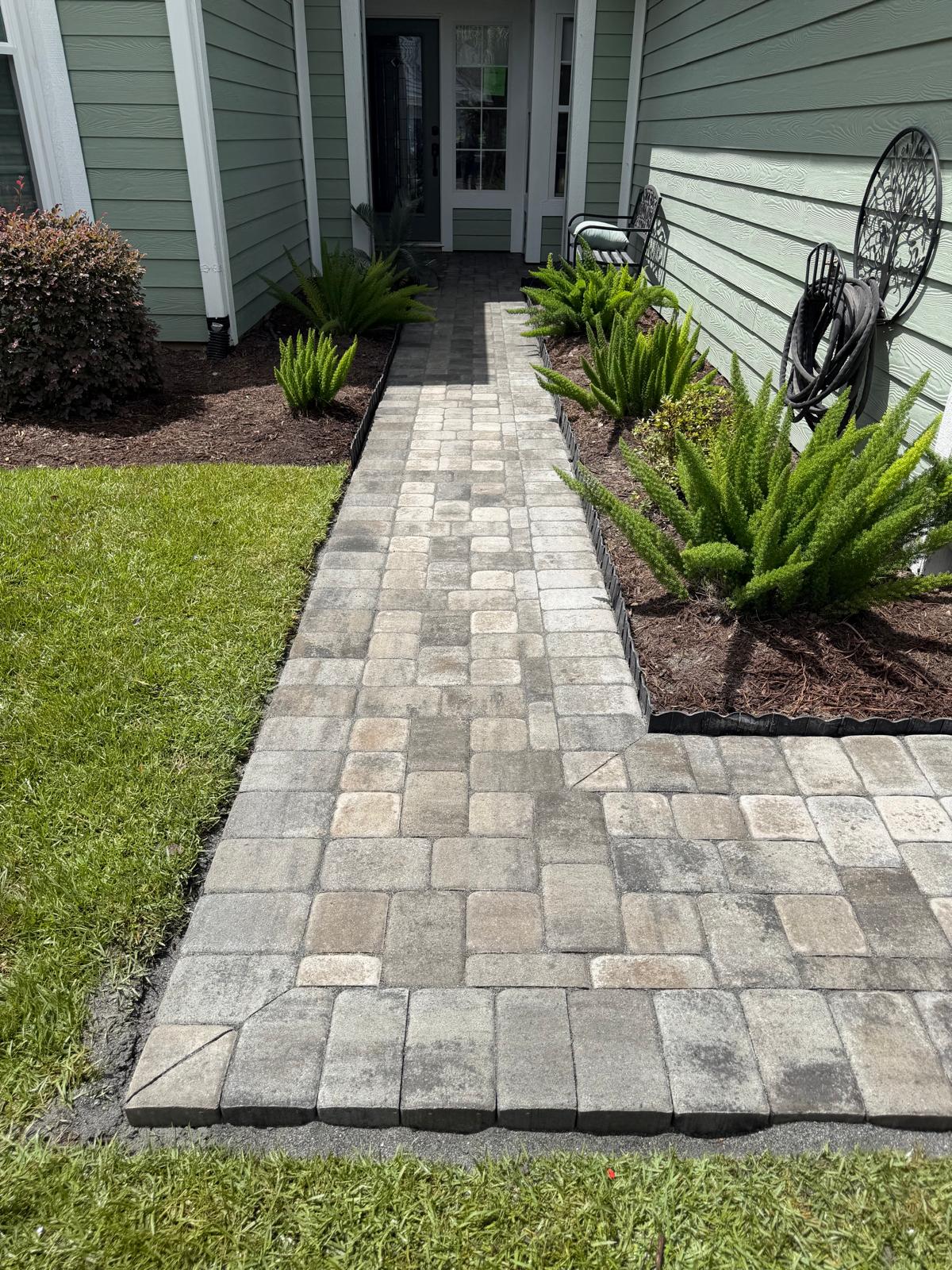
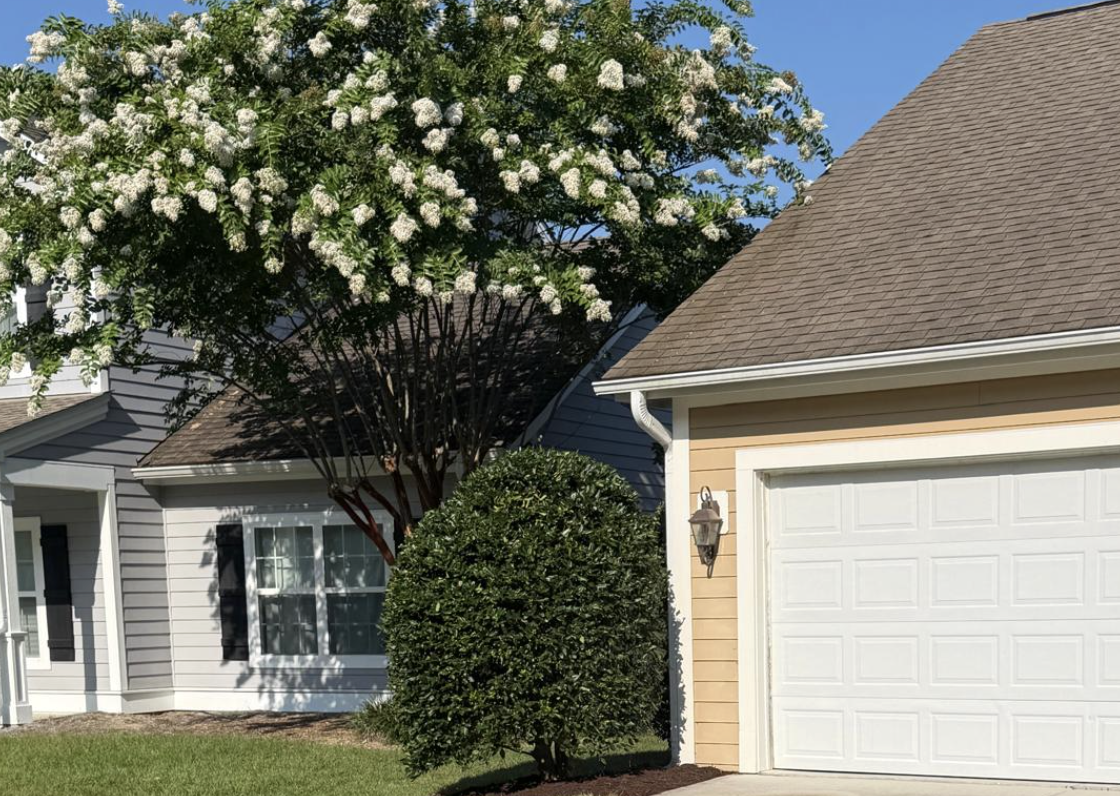
Fall in the Lowcountry is one of the best times to get outside and take care of your landscape. After months of intense summer heat, humidity, storms, and heavy use, your lawn and plants can benefit from a little extra attention before winter arrives.
A little maintenance now can help prevent bigger problems later and give your landscape a healthier start next spring.
Here’s a fall landscape maintenance checklist for Lowcountry homeowners.
🌱 1. Give Your Lawn a Health Check
Your lawn has spent the summer working hard. Look for areas that are thin, brown, damaged, or struggling to recover.
Fall is a good time to address issues such as:
- Compacted soil
- Weeds
- Bare or thin areas
- Poor drainage
- Uneven growth
- Signs of insects or disease
Depending on your grass type and its condition, your lawn may benefit from aeration, fertilization, weed control, or other treatments.
Don’t assume brown or thin grass will fix itself. Identifying the cause is the first step toward a healthier lawn.
💧 2. Adjust Your Irrigation
As temperatures cool, your landscape’s water requirements change.
Your irrigation system shouldn’t necessarily run on the same schedule it used during the hottest part of summer.
Check your system for:
- Broken or clogged sprinkler heads
- Leaking lines
- Poor coverage
- Overspray
- Areas receiving too much or too little water
- Incorrect controller settings
Fall is also a great time for an irrigation assessment to make sure your system is working efficiently before winter.
🌿 3. Inspect Your Plants
Summer heat can take a toll on shrubs, flowers, palms, and other landscape plants.
Walk around your property and look for:
- Dead or declining plants
- Damaged branches
- Overgrown shrubs
- Yellowing leaves
- Plants that have outgrown their location
Fall is a great opportunity to clean up your beds and determine which plants need pruning, replacement, or additional care.
🌳 4. Check Your Trees
Don’t forget about the larger plants in your landscape.
Inspect trees for dead, broken, or damaged branches, especially after summer storms.
Branches that appear weak or compromised should be evaluated before they become a hazard.
If you’re unsure whether a tree or branch is safe, it’s best to have it inspected by a professional.
🌧 5. Look for Drainage Problems
Fall rain can reveal problems that aren’t always obvious during dry weather.
After a rainfall, walk your property and look for:
- Standing water
- Erosion
- Muddy areas
- Water collecting near your home
- Areas where water flows too quickly
If water isn’t moving where it should, you may have a grading or drainage issue that needs to be addressed.
A healthy landscape isn’t just about what you see above the ground. Proper drainage is essential to keeping your lawn, plants, and property healthy.
🍂 6. Clean Up Your Landscape Beds
Remove excessive leaves, fallen branches, dead plant material, and other debris from your beds.
A clean landscape not only looks better but also makes it easier to spot problems with your plants, irrigation, and soil.
Just remember that not every leaf needs to disappear. Organic material can benefit soil when managed properly.
💡 7. Check Your Outdoor Lighting
With the days getting shorter, you’ll likely be spending more time outside after sunset.
Check your landscape lighting to make sure fixtures are working properly and that pathways, patios, entrances, and important landscape features are adequately illuminated.
Fall is a great time to upgrade your outdoor lighting and make your backyard more enjoyable long after the sun goes down.
🔥 8. Prepare Your Outdoor Living Space
Cooler weather means more opportunities to enjoy your backyard.
Make sure your patio, fire pit, seating areas, and outdoor spaces are ready for entertaining.
Clean your patio, check seating, remove debris, and consider whether your space could benefit from additions such as a fire pit, seating wall, patio improvements, or outdoor lighting.
🌴 9. Don’t Forget About Palms and Coastal Plants
Lowcountry landscapes are home to plenty of palms and other plants that give our yards their coastal character.
Check palms and other tropical plants for damaged fronds, dead growth, or signs of stress.
Some plants may need specific pruning or seasonal care, so avoid removing healthy growth simply for appearance.
🍁 10. Plan Ahead for Spring
One of the biggest benefits of fall maintenance is that you’re not just preparing for winter—you’re setting your landscape up for the next growing season.
Use this time to identify areas you’d like to improve.
Maybe your lawn needs better drainage. Maybe your backyard needs more privacy. Maybe you’ve been dreaming about a new paver patio or fire pit.
Fall is a great time to start planning so your landscape is ready when spring arrives.
Your Fall Checklist Starts Here
Your landscape doesn’t stop needing attention just because summer is over.
Lawn care, irrigation, drainage, trees, plants, lighting, and hardscaping all play a role in creating a healthy and enjoyable outdoor space.
At Father Nature Landscape & Hardscape, we help Lowcountry homeowners take care of their landscapes from the ground up—from routine maintenance and irrigation to tree services, drainage, landscaping, patios, fire pits, and outdoor lighting.
Because we don’t just want your yard to look healthy. We want it to actually be healthy.
🍂 Take care of your landscape this fall. Then get outside and Enjoy Life Outdoors.
Father Nature Landscape & Hardscape
Serving Bluffton, Hilton Head, Okatie, Beaufort, and the surrounding Lowcountry.