Are fallen leaves helping your lawn—or quietly causing damage?
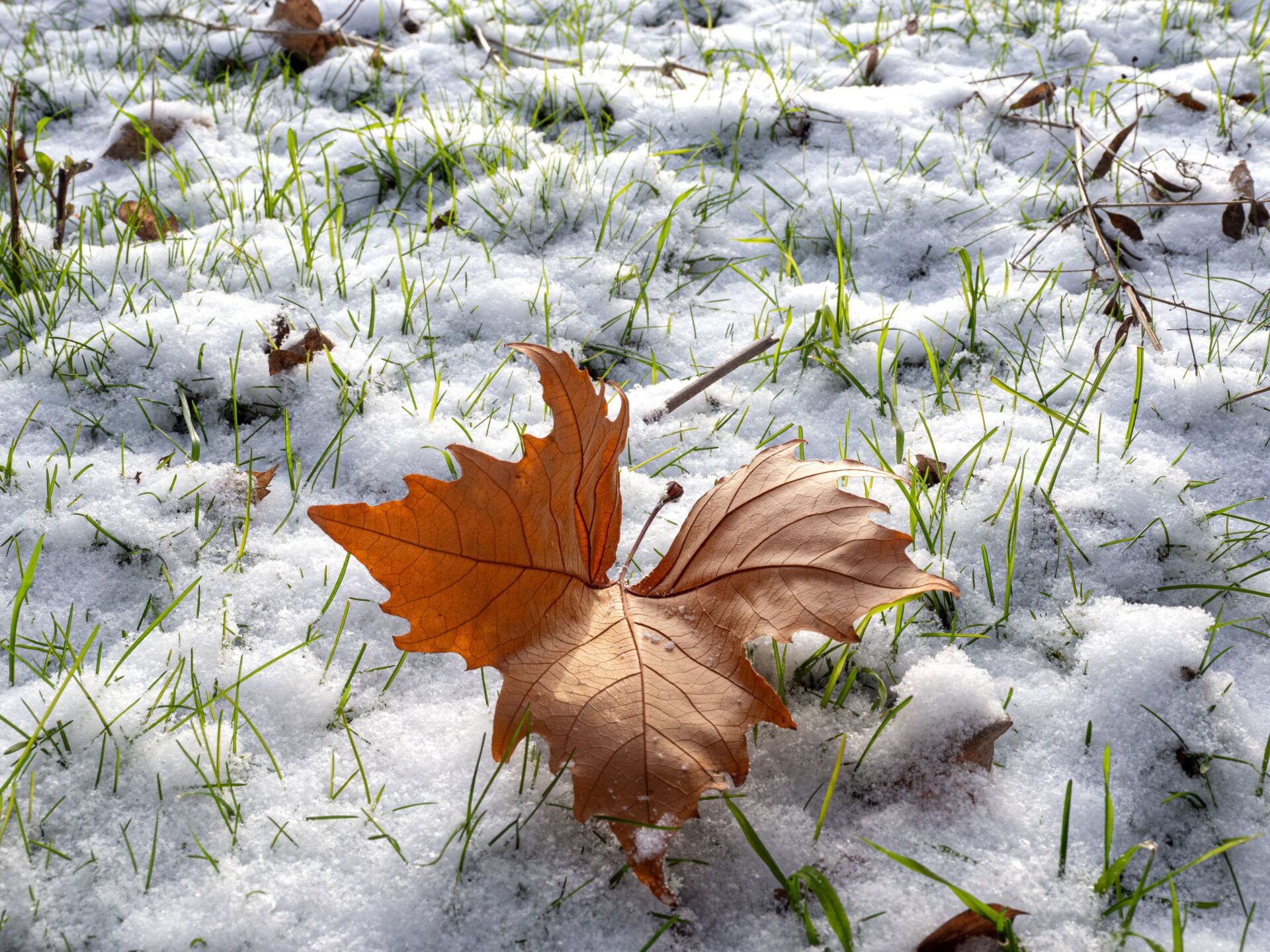
As cooler temperatures arrive in Coastal South Carolina, trees begin shedding their leaves, covering lawns, garden beds, patios, and walkways in shades of brown, orange, and yellow.
For homeowners in Bluffton, Hilton Head Island, Beaufort, and the surrounding Lowcountry, fallen leaves are a familiar part of the changing seasons.
But one question comes up every year: Should you rake up fallen leaves, or is it better to leave them on your lawn?
You may have heard that fallen leaves are good for the soil. You may have also heard that leaving them on your grass can cause damage.
Interestingly, both statements can be true!
The answer depends on how many leaves have accumulated, the type of grass you have, and how the leaves are managed.
At Father Nature, we believe a healthy landscape starts with understanding what your property actually needs. Let’s explore when fallen leaves can benefit your lawn, when they become a problem, and how to manage them during the cooler months.
🌱 1. Fallen Leaves Can Actually Benefit Your Soil
It may surprise you to learn that fallen leaves aren’t necessarily landscape waste.
In nature, leaves fall to the ground, gradually break down, and return organic matter and nutrients to the soil.
This natural recycling process plays an important role in maintaining healthy ecosystems.
When managed properly, fallen leaves can provide similar benefits to residential landscapes.
How leaves help your lawn and soil
They add organic matter
As leaves decompose, they contribute organic matter that can improve soil structure over time.
This is particularly beneficial in sandy Lowcountry soils, which often struggle to retain moisture and nutrients.
They recycle nutrients
Leaves contain nutrients that trees absorbed during the growing season.
As those leaves break down, some of those nutrients return to the soil, where they can become available to plants through natural decomposition processes.
They support beneficial organisms
Earthworms, fungi, and microorganisms help break down organic material.
These organisms play important roles in soil health and nutrient cycling.
They can help protect exposed soil
A light layer of shredded leaves can help reduce erosion and moderate soil temperature fluctuations in appropriate areas.
However, there’s an important distinction between a thin layer of finely shredded leaves and a thick blanket of whole leaves covering your grass.
One can be beneficial. The other can create problems.
🍁 2. When Fallen Leaves Become a Problem
While leaves can improve soil health, allowing them to accumulate excessively on your lawn can do more harm than good.
This is especially important during fall and winter, when many warm-season grasses begin slowing their growth or entering dormancy.
Grass still needs access to sunlight, air, and appropriate moisture conditions to remain healthy.
A thick layer of fallen leaves can interfere with those needs.
They block sunlight
When leaves completely cover your lawn, they reduce the amount of sunlight reaching the grass.
Even during seasonal dormancy, maintaining favorable growing conditions is important.
Heavy leaf coverage during the transition into or out of dormancy can interfere with grass health and recovery.
They trap excess moisture
Coastal South Carolina experiences periods of rainfall and high humidity throughout the year.
When wet leaves accumulate in thick layers, they can hold moisture against the turf.
This may create conditions that encourage fungal problems and contribute to grass decline.
They can smother your lawn
A dense mat of leaves can physically cover and weaken turfgrass, particularly in shaded or poorly drained areas.
Over time, this may contribute to thin patches or bare spots that become noticeable when spring arrives.
They can hide existing lawn problems
Thick leaf coverage makes it harder to identify irrigation leaks, drainage issues, pest activity, or unhealthy patches of grass.
By the time the leaves are removed, some problems may have already progressed.
💡 Father Nature Tip: If you can barely see your grass beneath the leaves, it’s probably time to remove or mulch them!
🌿 3. Is It Better to Mulch Leaves Instead of Raking Them?
For many homeowners, mulching leaves can provide a practical balance between protecting the lawn and returning organic matter to the soil.
Leaf mulching involves using a mower with an appropriate mulching blade or setting to chop fallen leaves into small pieces.
Instead of collecting and removing every leaf, the shredded material is distributed across the lawn.
When done correctly, these smaller pieces can gradually break down without forming a thick, suffocating layer.
Benefits of mulching leaves
- Returns organic matter to the soil.
- Reduces the amount of yard debris that needs to be hauled away.
- Helps recycle some nutrients naturally.
- Can reduce the need for repeated raking.
- Supports a more sustainable approach to landscape maintenance.
When does leaf mulching work best?
Mulching is generally most effective when leaves are relatively dry and the layer is light enough for the mower to shred them thoroughly.
After mulching, the grass should still be clearly visible.
If shredded leaves remain in thick piles or completely cover the turf, some material should be collected and removed.
It’s also important to avoid mowing when the lawn is excessively wet or when equipment could damage soft soil.
Remember: Mulching leaves doesn’t mean leaving large piles of debris on your lawn. The goal is to create a thin, evenly distributed layer that can break down naturally.
🌳 4. What About Leaves in Your Garden Beds?
Your lawn and garden beds have different needs.
While heavy leaf accumulation can damage turfgrass, fallen leaves can be beneficial in certain planting beds.
A loose layer of leaves can act as a natural mulch, helping conserve soil moisture, reduce erosion, and support beneficial soil organisms.
This can be especially helpful around established trees and shrubs.
However, not every garden bed benefits from being completely covered with leaves.
When leaves can stay
Consider leaving a light layer of leaves in areas such as:
- Naturalized landscape beds.
- Woodland-style gardens.
- Areas beneath established trees.
- Designated wildlife-friendly garden spaces.
- Shrub beds where leaves won’t bury plant crowns or stems.
When leaves should be removed
Leaf removal may be appropriate when:
- Leaves are smothering small plants or groundcovers.
- Thick, wet piles are accumulating around plant stems.
- Debris is blocking drainage pathways.
- Leaves are covering walkways or hardscape features.
- The accumulation is affecting the appearance or health of ornamental beds.
For homeowners who prefer a polished landscape, collecting leaves and replacing them with a consistent layer of mulch or pine straw can provide a cleaner appearance while still protecting the soil.
💡 Father Nature Tip: Consider keeping leaves in natural areas while maintaining clean, defined beds near your home’s entrance and outdoor living spaces. This creates a balance between ecological benefits and curb appeal.
🐛 5. Fallen Leaves Can Support Wildlife and Beneficial Insects
Fallen leaves do more than feed the soil.
They also provide important habitat for many beneficial insects and other small organisms.
Some butterflies, moths, beetles, and other insects spend part of their life cycles in leaf litter.
Removing every leaf from every part of your property can reduce these natural habitats.
For homeowners interested in wildlife-friendly landscaping, leaving leaves in selected areas can support biodiversity.
How to balance wildlife benefits with lawn care
You don’t have to choose between a beautiful yard and a wildlife-friendly landscape.
Instead, consider maintaining different areas for different purposes.
Keep lawns, walkways, patios, and high-visibility garden beds neat and functional.
Then allow leaves to remain in designated natural areas, beneath appropriate shrubs, or along wooded property edges.
This approach can support beneficial wildlife without sacrificing the health or appearance of your lawn.
☀️ 6. Why Leaf Management Matters in the Lowcountry
Coastal South Carolina has unique growing conditions that influence how homeowners should manage fallen leaves.
Our mild winters, humid climate, sandy soils, and warm-season grasses create a different landscape maintenance schedule than areas farther north.
Warm-season grasses need special attention
Common Lowcountry grasses include:
- St. Augustine
- Centipede
- Bermuda
- Zoysia
These grasses naturally slow their growth as temperatures cool.
While dormant grass may require less mowing, it can still be affected by excessive debris, poor drainage, and prolonged moisture.
Removing heavy leaf accumulation helps protect turf during this slower-growing period.
Not all trees drop leaves at the same time
Another unique characteristic of Lowcountry landscaping is that leaf cleanup isn’t always limited to autumn.
For example, live oaks often shed many of their older leaves in late winter or spring as new foliage develops.
Pine trees can also drop needles throughout the year.
This means homeowners may need to manage leaf and needle accumulation during multiple seasons rather than relying on one major fall cleanup.
Sandy soils can benefit from organic matter
Many Lowcountry properties have sandy soils that drain quickly and contain relatively little organic matter.
Properly composted leaves and finely shredded leaf material can contribute to soil improvement over time.
However, the benefits depend on how the material is used.
Large piles of undecomposed leaves left on turf are not the same as incorporating finished compost into an appropriate landscape area.
✂️ 7. How Often Should You Remove Fallen Leaves?
There isn’t one perfect leaf cleanup schedule for every property.
The amount of leaf accumulation depends on tree species, property size, wind conditions, and the time of year.
A home surrounded by mature live oaks and pine trees may require more frequent attention than a property with only a few small ornamental trees.
Signs it’s time for leaf cleanup
You should consider removing or mulching leaves when:
- Large areas of grass are completely covered.
- Wet leaves are sticking together in thick layers.
- Leaves are collecting around drainage inlets.
- Walkways and patios are becoming slippery.
- Garden beds are losing their defined appearance.
- Debris is accumulating against structures or around sensitive plants.
During periods of heavy leaf drop, checking your property weekly can help you determine whether cleanup is needed.
You may not need to remove every leaf immediately, but allowing heavy accumulation to remain for extended periods can create unnecessary problems.
💡 Father Nature Tip: Consistent leaf management is often easier and more effective than waiting until the entire property is covered in debris.
🏡 8. Leaf Cleanup Is About More Than Lawn Health
Managing fallen leaves isn’t only about protecting your grass.
It’s also an important part of maintaining your property’s appearance, safety, and functionality.
Keep your walkways and patios safe
Wet leaves can become slippery, especially on paver walkways, steps, driveways, and patios.
Removing debris helps keep these areas more accessible and reduces potential slipping hazards.
Protect your drainage systems
Leaves can accumulate around catch basins, surface drains, and drainage channels.
When these areas become blocked, rainwater may not move away from your property as intended.
Regular cleanup helps keep drainage openings clear and allows you to identify potential problems before heavy rainfall.
Maintain your curb appeal
Even a beautifully landscaped property can appear neglected when leaves cover the lawn, driveway, and garden beds.
Keeping outdoor spaces clean helps highlight the features you’ve invested in, including ornamental plants, fresh mulch, decorative stone, and hardscaping.
Prepare for spring growth
Excessive debris left on the lawn throughout winter can create additional cleanup work when warmer temperatures return.
Managing leaves consistently helps keep your property ready for seasonal changes.
🌸 9. What Should You Do With Collected Leaves?
If you decide to remove leaves from your lawn, they don’t necessarily have to go straight into the trash.
There are several practical ways to reuse them.
Composting
Collected leaves can be added to a compost pile along with appropriate nitrogen-rich materials.
Over time, they can break down into compost that may be useful for improving garden soil.
Mulching garden beds
Shredded leaves can be used in appropriate planting beds, provided they are not piled too deeply or directly against plant stems.
Creating natural areas
If your property includes wooded sections or naturalized planting areas, some leaves can be relocated there to support soil organisms and wildlife.
Professional debris removal
For properties with heavy leaf accumulation, professional cleanup and hauling may be the most convenient solution.
This is especially useful for homeowners with large yards, mature trees, or limited time for ongoing maintenance.
🌿 10. Finding the Right Balance for Your Landscape
So, should you remove fallen leaves or leave them on your lawn?
The best answer is usually a combination of both.
A light layer of leaves can often be mulched into your lawn, returning organic matter to the soil.
Thick, wet, or matted leaves should generally be removed to prevent them from smothering the grass and trapping excess moisture.
In naturalized garden areas, some leaves can remain to support soil health and beneficial wildlife.
The key is understanding that different parts of your landscape have different needs.
A healthy lawn, an attractive front entrance, and a wildlife-friendly garden can all coexist with the right maintenance approach.
🍂 Let Father Nature Handle the Seasonal Cleanup!
Fallen leaves are a natural part of the changing seasons, but keeping up with them can quickly become another task on your already busy schedule.
At Father Nature, we understand that maintaining a beautiful landscape requires attention throughout the year—even when your grass isn’t actively growing.
From seasonal leaf cleanup and garden bed maintenance to mulch, pine straw, and ongoing landscape care, our team helps homeowners keep their properties clean, healthy, and attractive.
We proudly serve Bluffton, Hilton Head Island, Beaufort, Okatie, and surrounding Lowcountry communities.
🌿 Is Your Property Ready for the Cooler Season?
Don’t let fallen leaves take over your lawn, walkways, and garden beds!
📞 Contact Father Nature today to learn more about our seasonal landscape maintenance and cleanup services.
Let us get our hands dirty so you can Enjoy Life Outdoors! 🌿